
Blog
Skin Grafts Perform Better With NPWT and Why That Matters More Right Now
Explore how Negative Pressure Wound Therapy (NPWT) improves skin graft adherence, stability, and healing outcomes.
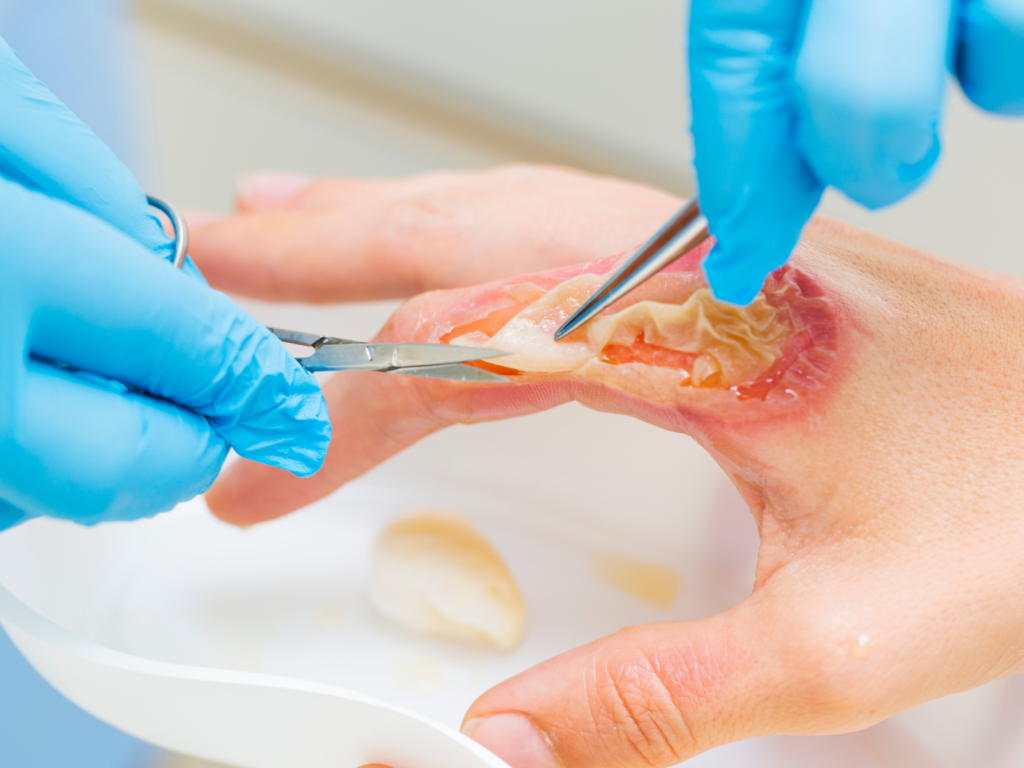
Skin Grafts Are Only as Successful as the Environment Supporting Them
Skin grafts play a critical role in managing complex and chronic wounds, particularly in lower-extremity care. Even when graft selection and placement are technically sound, graft failure remains a risk—especially during the first 48–72 hours following application.
Fluid accumulation, shear forces, bacterial burden, and inconsistent graft-to-wound contact are among the most common contributors to early graft loss. Without a stable healing environment, grafts may struggle to revascularize and integrate into the wound bed.
This is where Negative Pressure Wound Therapy (NPWT) has become an important adjunct—not as a replacement for grafts, but as a way to protect and support graft performance during the most vulnerable phase of healing.
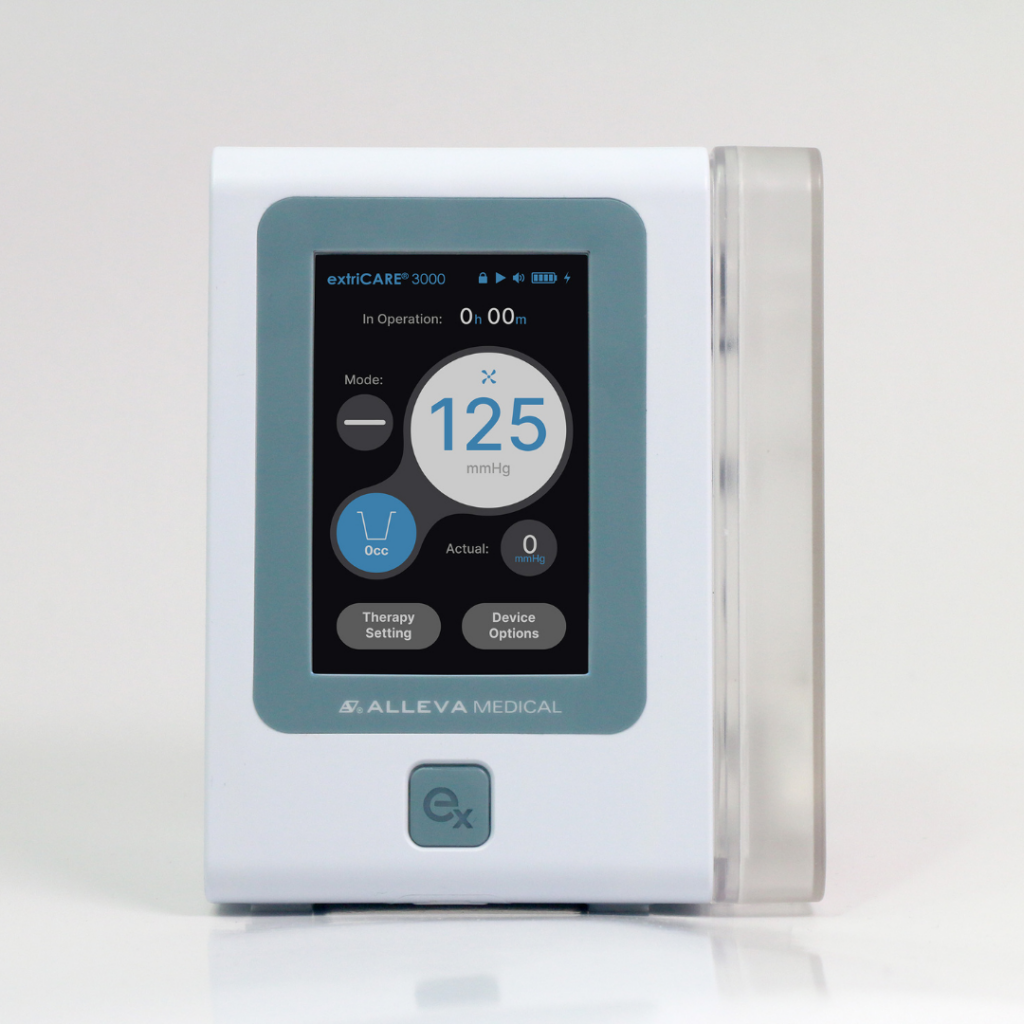
How NPWT Improves Skin Graft Take
Clinical studies evaluating NPWT as a bolster dressing over skin grafts demonstrate several consistent benefits compared with traditional bolster or compression dressings (Blackburn et al., 1998; Scherer et al., 2002; Moisidis et al., 2004).
Improved graft adherence and stabilization
Continuous, evenly distributed negative pressure helps secure the graft firmly against the wound bed, reducing micromotion and shear forces that can disrupt early graft adherence. NPWT has been shown to improve graft fixation and stability during initial healing (Scherer et al., 2002).
Effective exudate and fluid management
NPWT actively removes excess fluid from the graft site, minimizing seroma and hematoma formation—both of which are well-documented contributors to graft failure. Early studies using NPWT as a graft bolster demonstrated reduced fluid accumulation compared with standard dressings (Blackburn et al., 1998).
Enhanced perfusion and microvascular support
Negative pressure therapy has been associated with improved local blood flow and support of angiogenesis, both of which are critical for graft survival and incorporation into the wound bed (Orgill & Bayer, 2013).
Reduced contamination risk
By maintaining a closed healing environment, NPWT limits external exposure while supporting management of bacterial burden at the wound surface, an important consideration for grafted wounds at risk for infection (Orgill & Bayer, 2013).
A randomized controlled trial comparing NPWT with standard bolster dressings demonstrated superior graft take in NPWT-treated grafts, reinforcing NPWT’s role as a reliable adjunct in graft fixation (Moisidis et al., 2004).
Why Pairing Grafts With NPWT Is Especially Relevant Today
Wound care continues to evolve toward an emphasis on predictable outcomes, reduced complications, and efficient healing pathways. As graft utilization shifts across care settings, ensuring that grafts succeed when they are used has become increasingly important.
NPWT supports this goal by stabilizing grafts during the most critical phase of healing. By improving adherence, managing fluid, and protecting the wound environment, NPWT reduces the likelihood of setbacks that can prolong care or require additional intervention.
This reliability is particularly valuable in lower-extremity wounds, where compromised perfusion, mechanical stress from ambulation, and infection risk are common challenges.
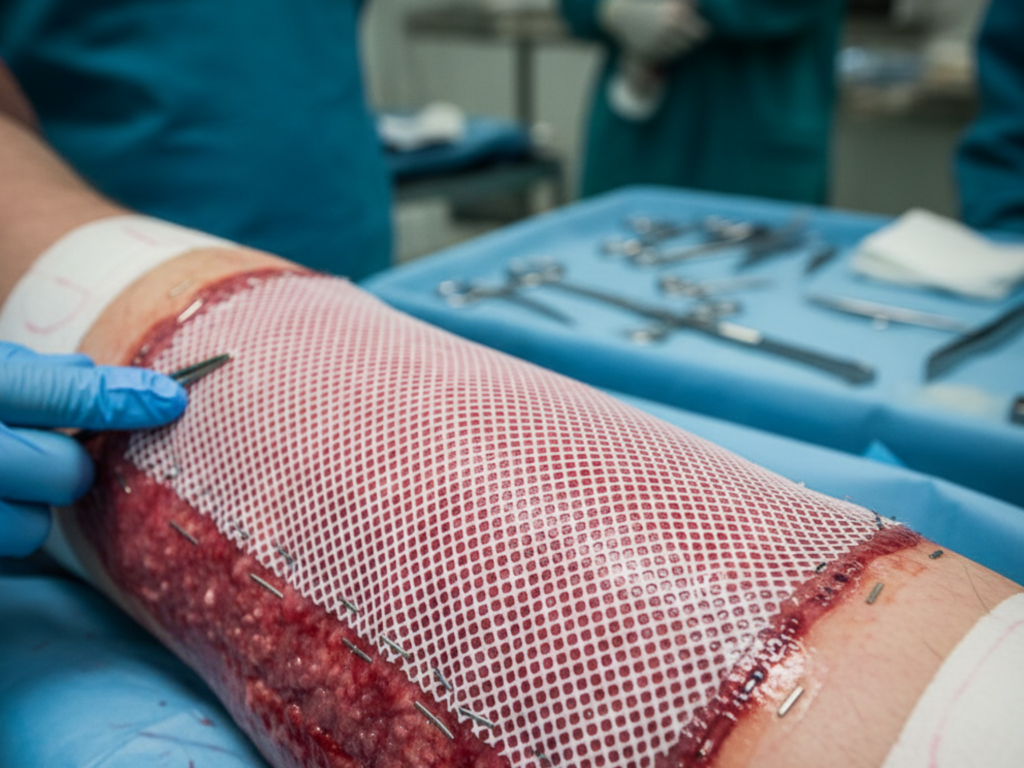
Supporting Grafts in Real-World Lower-Extremity Care
Lower-extremity wounds often involve irregular anatomy, limited soft tissue coverage, and ongoing mechanical forces. NPWT helps address these challenges while allowing patients to remain mobile during recovery.
extriCARE® NPWT systems are designed to support grafted wounds across care settings, offering:
- Anatomically fitted dressings with an integrated contact layer, supporting even pressure distribution and consistent graft contact
- Adjustable pressure settings, allowing therapy to be tailored based on graft and wound characteristics
- Portable, quiet operation, supporting patient comfort and adherence
- Simplified setup, reducing variability in both OR and bedside applications
This approach supports greater graft stability, improved adherence, and more predictable healing outcomes.
A More Predictable Path to Graft Success
When grafts are paired with NPWT, clinicians gain greater control over the wound environment during the most vulnerable stage of healing. For organizations supporting graft-based therapies, NPWT strengthens the overall treatment strategy, helping ensure grafts perform as intended.
As wound care continues to prioritize consistency and outcomes, NPWT remains a valuable partner in supporting graft success.
References
- Blackburn, J. H., Boemi, L., Hall, W. W., Jeffords, K., Hauck, R. M., Banducci, D. R., & Graham, W. P. (1998). Negative-pressure dressings as a bolster for skin grafts. Annals of Plastic Surgery, 40(5), 453–457.
- Scherer, S. S., Pietramaggiori, G., Mathews, J. C., Prsa, M. J., Huang, S., & Orgill, D. P. (2002). Vacuum-assisted closure device: A method of securing skin grafts and improving graft survival. Archives of Surgery, 137(8), 930–934.
- Moisidis, E., Heath, T., Boorer, C., Ho, K., & Deva, A. K. (2004). A prospective, blinded, randomized, controlled clinical trial of topical negative pressure use in skin grafting. Plastic and Reconstructive Surgery, 114(4), 917–922.
- Orgill, D. P., & Bayer, L. R. (2013). Negative pressure wound therapy: Past, present and future. International Wound Journal, 10(S1), 15–19.
