
Blog
From Hospital to Home: The Expanding Role of NPWT in Outpatient Wound Care
Wound care has never been more decentralized, and for good reason. Healthcare systems under relentless cost pressure are increasingly moving complex wound management outside the hospital, into home health agencies, outpatient wound clinics, and skilled nursing facilities. For patients managing wounds that once required extended inpatient stays, this shift offers real benefits: greater comfort, reduced risk of hospital-acquired complications, and a faster return to daily life.
Negative pressure wound therapy (NPWT) has proven to be one of the most adaptable tools in this transition. As the clinical and policy infrastructure for home-based NPWT continues to mature, clinicians across care settings need a clear picture of where the therapy fits, how to use it effectively, and what it takes to support patients and caregivers throughout the process.
Why Healthcare Is Shifting Wound Care Outside the Hospital
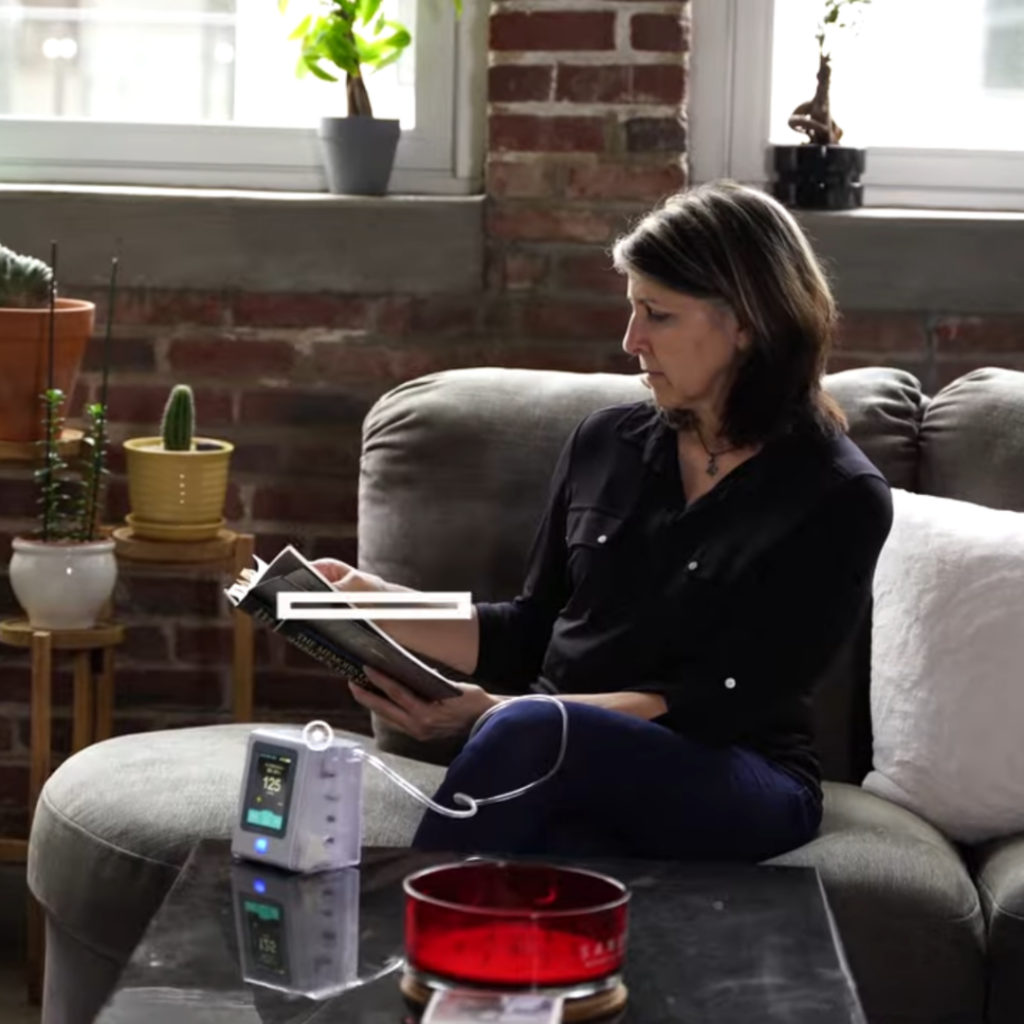
The push toward outpatient and home-based wound care is not a trend; it’s a structural shift driven by intersecting forces. Payer policy, particularly from CMS, has incentivized care delivery in lower-cost settings. Value-based purchasing models hold hospitals accountable for readmissions and complications, making earlier discharge with complex outpatient follow-up not just financially attractive but clinically necessary. Patient preference adds another layer: most people, given the option, would rather recover at home.
The Better Wound Care at Home Act, enacted as part of the Consolidated Appropriations Act of 2023, established national payment for disposable negative pressure wound therapy, a significant policy signal that home-based NPWT is now firmly within mainstream wound care delivery. Building on this, the CMS 2024 Home Health Prospective Payment System final rule codified a separate payment for the disposable NPWT device for patients under a home health plan of care, with the service component included in the standard 30-day payment. Together, these policy moves have removed some of the most significant reimbursement barriers that once kept NPWT hospital-bound.
For wound care clinicians, this means the responsibility to initiate, manage, and transition NPWT now extends well beyond the inpatient team.
Where Outpatient Negative Pressure Wound Therapy Is Being Used
Outpatient negative pressure wound therapy is now delivered across three distinct non-acute settings, each with its own clinical context.
- Home health: A visiting nurse manages dressing changes, typically every 48 to 72 hours, and monitors wound progress between physician visits. Dressing changes can be performed by a family member or caregiver if they are appropriately trained, which is often the reality in home settings where nursing visits are limited by payer authorization. Patient and caregiver education is foundational to safe delivery in this setting.
- Outpatient wound clinics: Clinical staff perform dressing changes and reassessments on a scheduled basis, making this setting well-suited for patients who are ambulatory and motivated but whose wounds require closer monitoring than home health can consistently provide. It also supports clinical decision-making; adjusting pressure settings, switching dressing interfaces, and managing periwound skin.
- Skilled nursing facilities (SNFs): SNFs serve patients who are not yet ready for home discharge but no longer require acute care. NPWT in this setting is often transitional, bridging the gap between inpatient wound management and eventual home or outpatient care.
Wounds Commonly Treated With NPWT Outside the Hospital
Not every wound is a candidate for outpatient NPWT, but several, more common wound types are well-supported in these settings:
- Surgical wounds: Post-operative wounds with dehiscence, delayed healing, or elevated infection risk are frequently transitioned to wound vac at home following initial care. Systematic reviews of randomized controlled trials in patients with surgical wounds have generally found a lower risk of surgical site infection with NPWT, supporting its use as both a therapeutic and preventive adjunct in high-risk cases.
- Traumatic wounds: Degloving injuries, open fractures with soft tissue involvement, and complex lacerations may require weeks of ongoing NPWT after initial surgical management. In ambulatory patients with stable wounds, transitioning to an outpatient or home setting avoids prolonged hospitalization.
- Diabetic foot ulcers (DFUs): Among the most studied wound types in the context of outpatient NPWT. Systematic reviews of randomized controlled trials have found a higher rate of wound healing and fewer amputations with NPWT for individuals with diabetic lower-extremity ulcers or amputation wounds. The management of patients with lower-extremity wounds due to diabetes includes NPWT as an adjunctive therapy for appropriately selected DFU patients.
- Pressure injuries: Stages III and IV are increasingly managed in outpatient and post-acute settings. NPWT can support granulation tissue formation and exudate management, though it works best as part of a broader strategy that includes pressure offloading and nutritional optimization.
Clinical Considerations for Transitioning NPWT to Home Care
Selecting the right patient for home NPWT is the first and most consequential decision. Candidates should have wounds that are appropriately debrided, free of untreated infection, and progressing toward healing, with the social support needed to manage therapy between visits. Beyond patient selection, a successful transition depends on getting several practical details right:
- Supply logistics: The NPWT device, dressing materials, canisters, and consumables must be in place at the patient’s home before the first visit by the nurse. Delays in supply delivery are a common and preventable cause of therapy interruption.
- Follow-up planning: Wound reassessment intervals should be established at the time of transition, with a clear escalation plan if the wound deteriorates or the device malfunctions. A named point of contact, physician, wound clinic, or home health agency should be identified before discharge.
- Reimbursement and documentation: The 2025 CMS payment rate for disposable NPWT is available, and coverage criteria vary by payer. Prior authorization is common, and clinicians should be familiar with their payer mix and documentation requirements before initiating a home transition.

Supporting Patient and Caregiver Education for Home NPWT
Effective education is what separates a well-managed NPWT transition from one that leads to complications or an unnecessary readmission. Patients should receive education on what the NPWT device is, what it does, and how often the dressing will need to be changed and the canister emptied. Before discharge, patients and caregivers managing a wound vac at home for the first time should be able to confidently answer:
- How do I know the seal is intact, and what do I do if the device alarms?
- What changes in the wound should prompt a call to the care team?
- When is my next scheduled dressing change or clinic visit?
- What activities should I modify or avoid during therapy?
Return demonstration—having the patient or caregiver show dressing checks or canister changes before leaving the clinical setting—remains one of the most reliable methods for confirming understanding. Written instructions with clear after-hours contact information are essential, not optional.
NPWT at Home Is an Opportunity Worth Getting Right
The infrastructure supporting outpatient negative pressure wound therapy has never been stronger, with clearer reimbursement pathways, improved portable device technology, and growing evidence across wound types all pointing in the same direction.
When transitions are planned thoughtfully, with the right patient selection, adequate supply coordination, structured follow-up, and meaningful caregiver education, NPWT at home supports faster healing, reduces the risk of avoidable readmissions, and gives patients agency over their own recovery.
For clinicians working across home health, wound clinics, and post-acute care, this represents both a clinical responsibility and a meaningful opportunity to improve outcomes beyond the hospital walls.
